# 🐛How to submit a bug on BugZilla

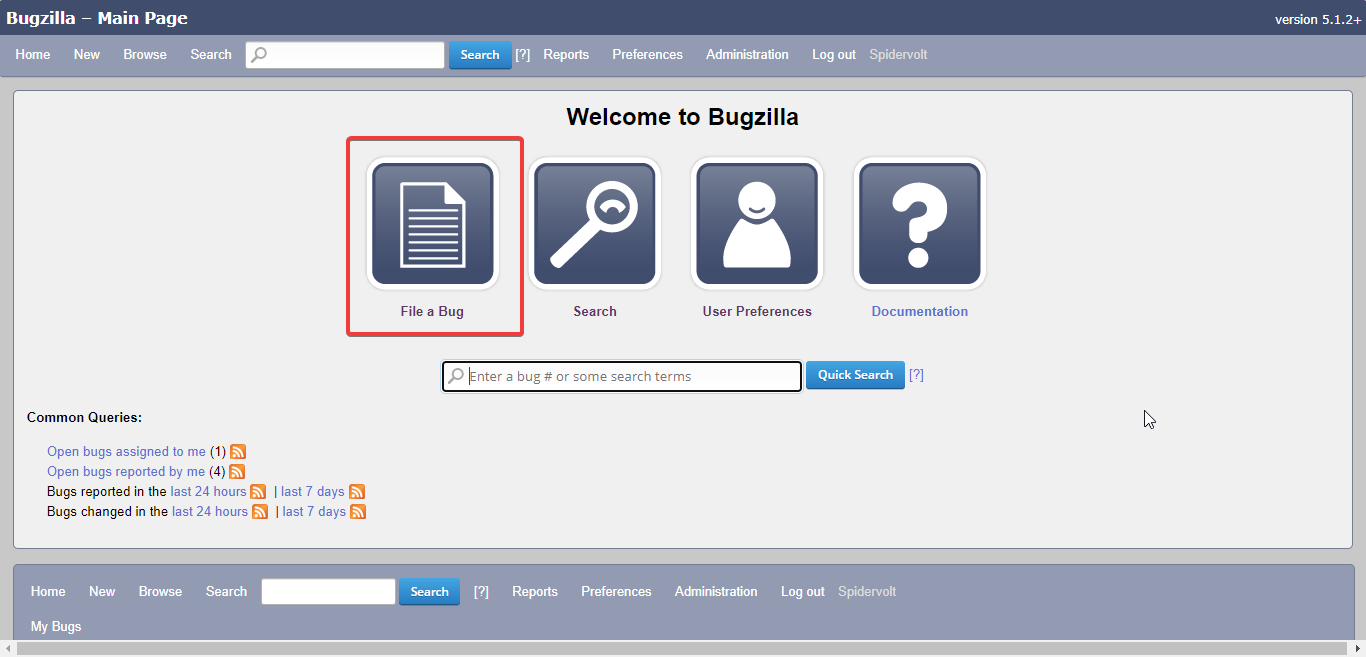
### Step 1

After logging in, click on **File a Bug**.

![](/files/-Mccc_teOVevcIn7jIdo)

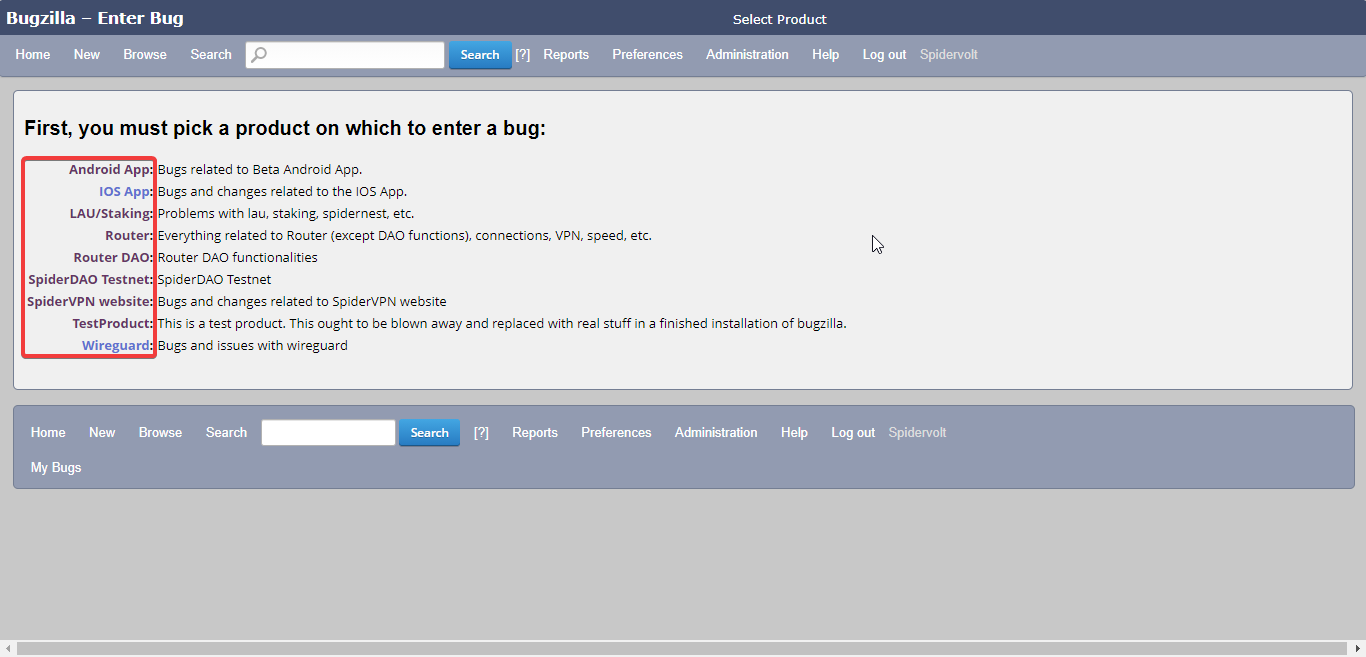
### Step 2

Choose the respective product about which you want to report a bug.

![](/files/-McccroG1gf7ex9SnAXA)

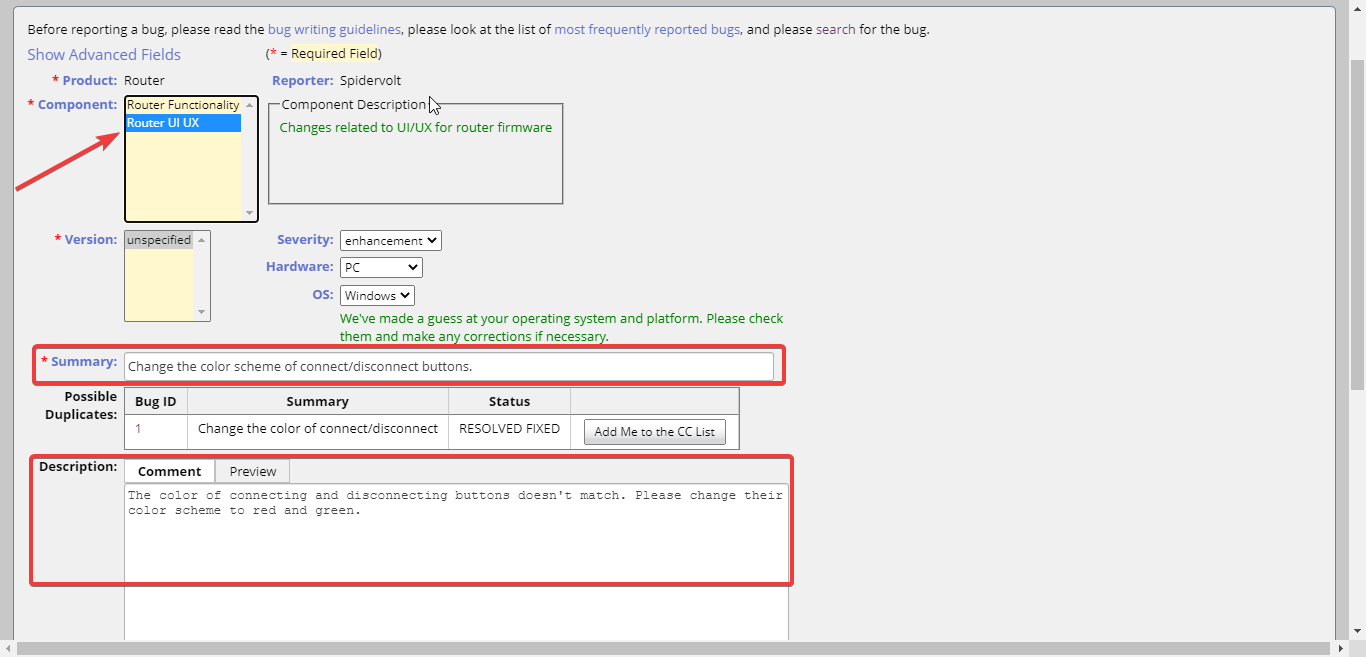
### Step 3

Next, choose the respective component. Below I have chosen **Router UI UX**.&#x20;

Write a short summary of the bug/change.

Then write a detailed description explaining the bug/change.&#x20;

![](/files/-Mccdbs4YmcHO2CQiC02)

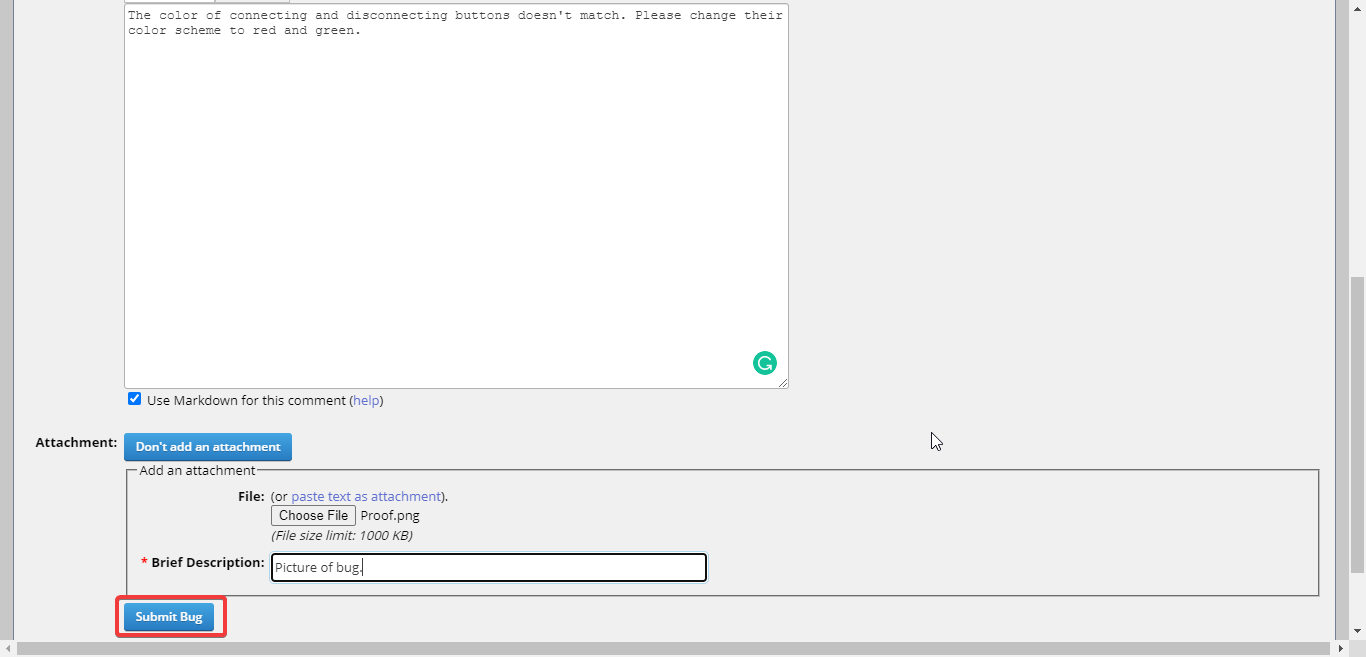
### Step 4

Scroll down and click **Add Attachment**. Write a brief descripton of the attachment.&#x20;

Finally, hit **Submit Bug**.

![](/files/-McceBlr2Rw43rGy5cP2)

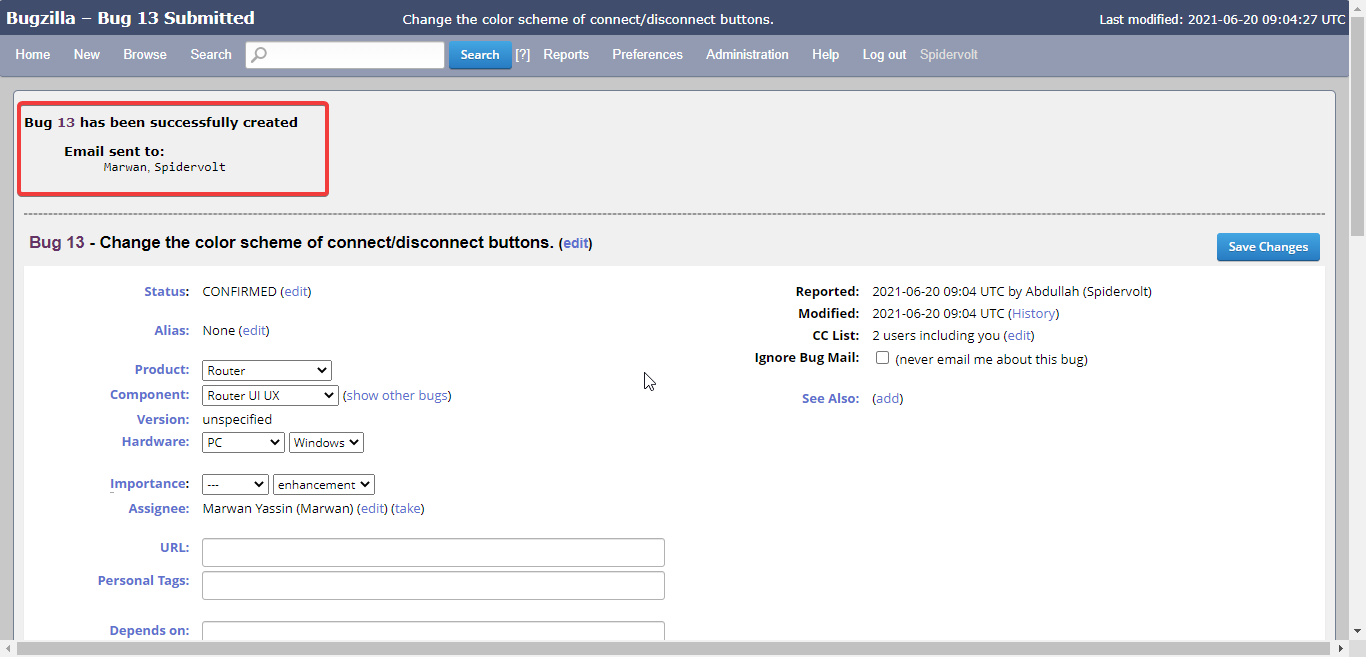
### Step 5

You will get a message that your bug was created. The email will be sent to the respective person who is responsible for solving the issue.

![](/files/-Mccefr0MNvZV_9OhVUq)


---

# Agent Instructions: Querying This Documentation

If you need additional information that is not directly available in this page, you can query the documentation dynamically by asking a question.

Perform an HTTP GET request on the current page URL with the `ask` query parameter:

```
GET https://docs.spidervpn.org/guides/how-to-submit-a-bug-on-bugzilla.md?ask=<question>
```

The question should be specific, self-contained, and written in natural language.
The response will contain a direct answer to the question and relevant excerpts and sources from the documentation.

Use this mechanism when the answer is not explicitly present in the current page, you need clarification or additional context, or you want to retrieve related documentation sections.